


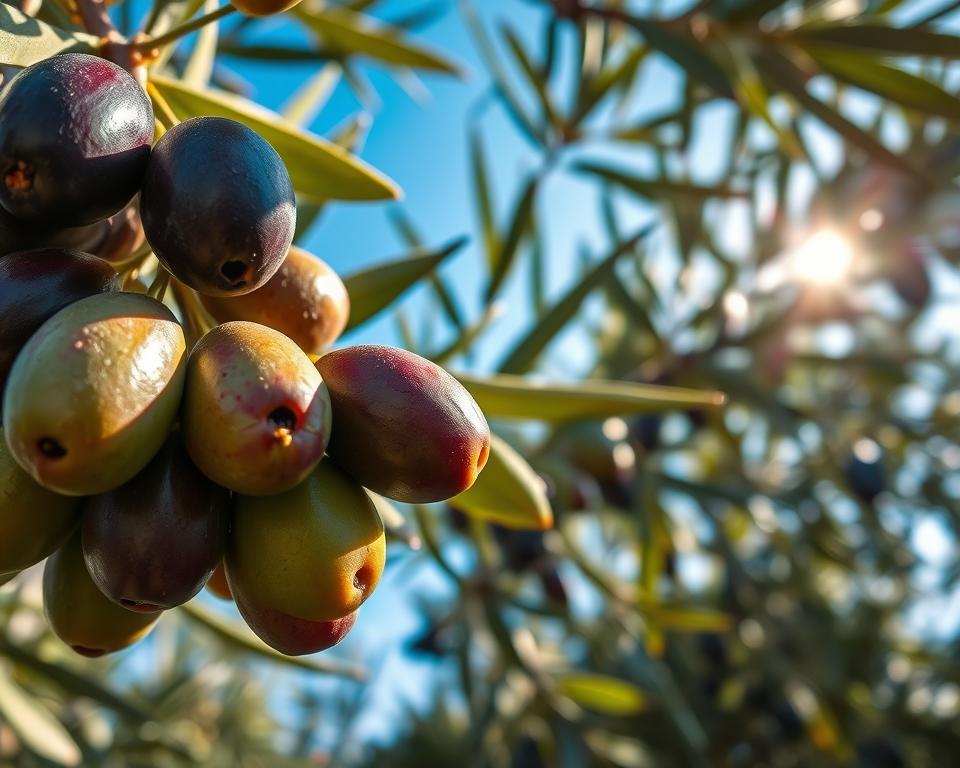
Did you know that olive oil quality depends a lot on olive ripeness? I’ve learned a lot about growing olives. It’s clear that getting the olives just right is key to making great olive oil.
The ripening process involves many things. These include the olive type, the weather, and how we pick them. Knowing these helps us pick the best time to harvest. This way, your homemade olive oil will be top-notch.
Key Takeaways
- Understanding the factors that influence olive ripeness is important.
- The type of olive affects when it’s best to harvest.
- The weather can change how olives ripen.
- How we pick olives can also impact their quality.
- Getting the olives perfectly ripe is essential for great olive oil.
Understanding Olive Ripeness
Knowing when olives are ripe is key to making great olive oil. Olive ripeness means the olives have the best flavor and texture. It’s important for anyone growing or making olives.
What is Olive Ripeness?
Olive ripeness depends on the olive type, color, and texture. As olives get riper, they change in taste and use. The olive maturity index shows how ripe olives are, from 0 (unripe) to 7 (fully ripe).
Knowing the stages of olive ripening is vital. Olives picked too soon or late can taste bad. It helps producers know when to pick the best ones.
Importance of Ripeness in Olive Quality
The ripeness of olives affects olive oil quality. Olives picked at the right time make oil that tastes great and smells wonderful. The ripening process also changes the oil’s makeup, affecting its shelf life and health benefits.
Also, the time of picking changes the oil’s taste. Early-picked olives make oil that’s bitter, while late-picked ones make smoother, fruitier oil. Knowing this helps producers pick the best time for harvesting.
The Ripening Process of Olives
Olive ripening is a complex process. It’s influenced by environmental conditions and the olive variety. Knowing this is key for farmers and consumers to get the best taste and quality.
Stages of Olive Maturation
Olive maturation goes through several stages. It starts with fruit set, where the olive fruit grows. Then, it moves to the ripening stage, where the fruit changes color and softens. Monitoring these stages is essential to know when to harvest.
- Stage 1: Fruit set – The initial stage where the olive fruit starts to grow.
- Stage 2: Green maturation – Olives grow and reach their full size but remain green.
- Stage 3: Color break – Olives start to change color, transitioning from green to various shades of purple or black.
- Stage 4: Full ripeness – Olives reach their final color and are at their peak flavor and texture.
Factors Influencing Ripeness
Several factors affect olive ripeness. Climate, soil quality, and farming practices are key. Climate plays a significant role, as temperature and rainfall impact ripening.
| Factor | Influence on Ripeness |
|---|---|
| Climate | Temperature and rainfall patterns affect the rate of ripening. |
| Soil Quality | Nutrient-rich soil promotes healthy olive development and ripening. |
| Farming Practices | Techniques such as irrigation and pruning can influence the ripening process. |
By understanding and managing these factors, farmers can optimize the ripening process. This leads to producing high-quality olives.
Ideal Ripeness for Different Olive Varieties
Different olive types have unique ripeness levels that affect their quality and taste. Knowing these differences helps decide the best harvest time.
Green Olives vs. Black Olives
Green olives are picked before they ripen, while black olives are allowed to ripen fully. The ripeness at harvest greatly impacts the olives’ flavor, texture, and use in cooking. Green olives, picked early, are firmer and taste more bitter. They’re perfect for some dishes. Black olives, picked when ripe, are softer and taste milder and more complex.

As olives turn from green to black, their taste changes a lot. The bitterness goes down, and the flavor gets richer and more complex. This change happens because certain compounds break down as the olives ripen.
Taste Profiles by Ripeness Stage
The taste of olives changes a lot with their ripeness. Here’s how:
| Ripeness Stage | Taste Profile | Texture |
|---|---|---|
| Unripe (Green) | Bitter, slightly sweet | Firm |
| Partially Ripe | Balanced bitterness and sweetness | Slightly soft |
| Fully Ripe (Black) | Mild, rich, complex | Soft |
Olive experts say, “The art of harvesting olives is in knowing the perfect ripeness for each type to bring out their full flavor.” This shows how important it is to tailor harvesting to each olive variety’s needs.
“The ripeness of olives is a critical factor in their quality and usability. Harvesting at the right time ensures the best flavor and texture.”
By knowing the ideal ripeness for each olive type and their taste, farmers and producers can choose the best harvest time. This improves the quality of their olives.
Indicators of Optimal Ripeness
Optimal olive ripeness is not just about timing; it’s about recognizing the visual and tactile cues. Several factors play a role in determining the best ripeness.
Color Changes in Olives
One key indicator of olive ripeness is color change. Olives usually turn from green to purple or black as they ripen. For example, the Koroneiki variety, known for its high-quality oil, changes from green to purple-black when ripe.
It’s important to observe color changes. But, different varieties may show different colors when ripe. Some stay green, while others turn black. Knowing the color changes for your variety is essential.
Texture and Firmness Indicators
Texture and firmness are also important indicators of olive ripeness. Ripe olives are firm but give a bit when pressed. Overripe olives are soft and mushy.
| Ripeness Stage | Texture | Firmness |
|---|---|---|
| Unripe | Hard | Very Firm |
| Ripe | Firm but yields to pressure | Firm |
| Overripe | Soft and mushy | Soft |
For more detailed guidance on harvesting olives at the optimal time, I recommend checking out this comprehensive guide on optimal olive harvest.
Olive Harvesting Techniques
Getting olives at their best ripeness is a mix of old ways and new methods. We’ve talked about how important it is to get them ripe for the best taste and quality. Now, let’s look at the ways that make picking olives successful.
Choosing the Right Time to Harvest
The time to pick olives is very important. It changes based on the type of olive, the weather, and how the olives will be used. Some olives are picked when they’re green and hard, while others are left to turn purple or black.
Checking the olives often is key to knowing when to pick them. Farmers usually check the olives every week or even every day as harvest time gets closer. This careful watching makes sure the olives are picked at their best, with the best flavor and quality.
Tools for Harvesting Olives
The tools for picking olives have changed over time. Manual harvesting uses hands or simple tools like rakes or combs. This method is often used for small, high-quality groves where being precise is important.
For bigger groves, mechanized harvesting tools like tree shakers or vibrating rakes are used. These tools make picking olives faster and easier. But, they must be used carefully to not hurt the trees or the olives.
“The choice of harvesting technique depends on the specific conditions of the olive grove, including the tree variety, terrain, and available resources.”
In short, successful olive harvesting is about picking at the right time and using the right tools. By knowing when their olives are ripe and using the best picking methods, farmers can get a high-quality crop.
Post-Harvest Handling of Olives
To keep your olives and olive oil at their best, follow key steps after picking. How you handle your olives can greatly affect the quality of your oil.
Proper Storage Techniques
Olives need to be stored in a cool, dark place to stay fresh. Cool storage conditions slow down spoilage. This keeps the olives in top shape until they’re ready for processing.
Here are some tips for storing olives:
- Store olives in a cool, well-ventilated spot to avoid heat.
- Don’t let them sit in direct sunlight, as it harms them.
- Choose containers that breathe and are easy to clean.
Storing olives right is key to keeping their quality. By following these tips, you can keep your olives fresh for processing.
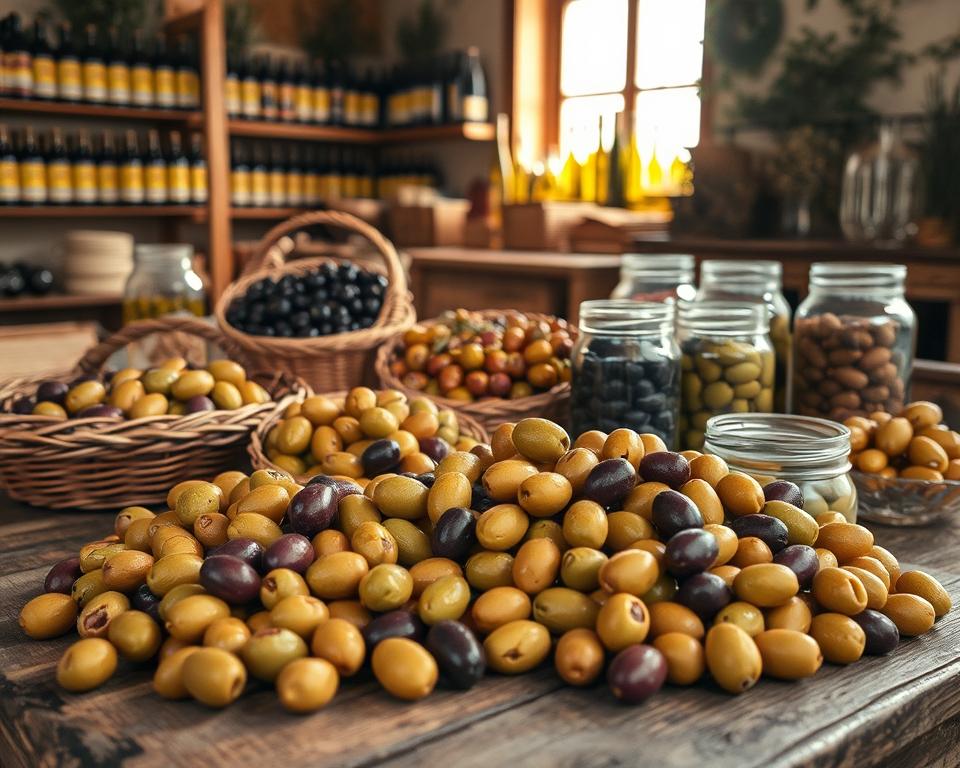
Preparing Olives for Processing
Before making olive oil, olives must be sorted and cleaned. Sorting is a critical step because it affects the oil’s quality.
| Preparation Step | Description | Importance |
|---|---|---|
| Sorting | Removing leaves, twigs, and damaged olives | High |
| Cleaning | Washing olives to remove dirt and contaminants | High |
| Crushing or Milling | Breaking down olives to release oil | Critical |
By preparing your olives well, you can improve your olive oil’s quality. Each step, from sorting to milling, is important for the oil’s flavor and aroma.
Common Mistakes in Olive Ripeness Assessment
Checking if olives are ripe is tricky and often goes wrong. Getting the ripeness just right is key for their quality. This is true whether they’re for oil or eating fresh. Here, we’ll look at common mistakes and how to steer clear of them.
Overlooking Visual Cues
One big mistake is missing the visual signs of ripeness. As olives get ready to pick, they change color. They go from green to purple or black, depending on the type. Watching these color changes helps figure out when to harvest.
Some olives are best when they’re green, while others need to ripen more. Knowing this about your olives is important. Farmers and producers should check their trees often. They look for these color signs to know when it’s time to harvest olives.
To really know if olives are ripe, you need to know about their type. Each variety shows different colors at different stages. It’s important to keep an eye on these signs to pick olives at the best time.
Timing Errors in Harvesting
Getting the timing wrong when picking olives is another big mistake. Picking too soon or too late can mess up the taste and quality. Olives picked too early might not taste right, while those picked too late could spoil.
| Harvest Timing | Impact on Quality | Effect on Yield |
|---|---|---|
| Too Early | Unripe flavor, firmer texture | Potential reduction in yield due to underdeveloped olives |
| Optimal | Best flavor and texture achieved | Maximum yield with optimal quality |
| Too Late | Overripe, potentially spoiled | Reduced yield due to olive drop or spoilage |
To avoid these timing mistakes, keep a close eye on your olives. Use a mix of looking, tasting, and knowing your olive type. This helps find the perfect time to harvest.
Impacts of Environmental Conditions
Climate and soil quality are key to olive ripeness and health. The ripening process of olive fruits is very sensitive to these factors. Farmers need to grasp these elements to get the best ripeness.
Climate’s Role in Olive Ripening
The climate greatly influences olive quality and ripeness. Temperature and rainfall patterns are vital for olive farming. For example, a warm, dry climate speeds up ripening. But too much rain can cause olive fruit rot.
- Adequate chill hours are necessary for olive trees to break dormancy.
- High temperatures during the ripening period can enhance the oil content in olives.
- Unseasonal frost can damage olive groves and affect ripeness.
Soil Quality and Olive Health
Soil quality also plays a big role in olive health and ripeness. Soil composition and nutrient availability help trees absorb water and nutrients. Olives from well-draining, fertile soils tend to be healthier and riper.
- Soil pH affects nutrient availability for olive trees.
- Organic matter in the soil improves its water-holding capacity.
- Soil compaction can restrict root growth and affect olive tree health.
Understanding how environmental conditions affect olive ripeness helps farmers. They can then make better choices for their cultivation. This improves the quality of their olive oil.
Regional Differences in Olive Ripeness
Geography and climate greatly affect olive ripeness in the U.S. Different parts of the country have unique conditions. This makes it important to understand these differences for the best olive harvest.
Notable Growing Regions in the U.S.
The U.S. has several key areas for growing olives. California is famous for its olives, thanks to its Mediterranean climate. Oregon and Arizona also grow olives, each with its own climate and soil.
- California: Known for its large-scale olive production and diverse olive varieties.
- Oregon: Characterized by a cooler climate, Oregon’s olives often have a distinct flavor profile.
- Arizona: The hot desert climate of Arizona presents both challenges and opportunities for olive growers.
How Geography Affects Ripeness
Geography, like altitude and soil quality, impacts olive ripeness. For example, olives near the coast ripen differently than those inland.
Olive harvesting techniques need to match the local conditions for the best ripeness. Knowing these regional differences helps farmers decide when and how to pick their olives.
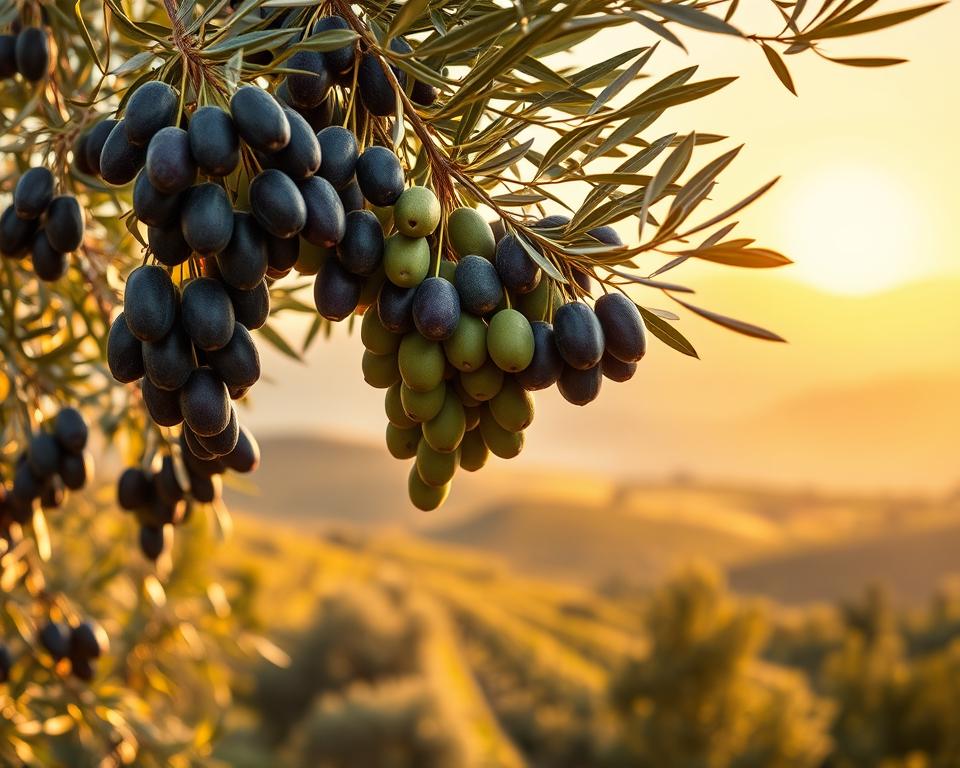
Understanding how geography affects olive ripeness helps farmers improve their olive quality. By tailoring their practices to their region, they can make their olives even better.
The Role of Farmers in Assessing Ripeness
Farmers are key in olive fruit picking. They check the ripeness to get the best results. Their knowledge helps decide when to pick olives, affecting the quality and taste.
Best Practices for Farmers
Farmers should regularly check the olives. The ripening time can change due to weather and the type of olive. They need to look for signs like color changes and softening.
It’s also important to test a sample before picking all the olives. Tasting them helps ensure they are ripe. This way, farmers can pick at the right time, avoiding poor quality olives.
Community and Collaboration
Community and teamwork are also important. Farmers can share knowledge and improve their skills together. This teamwork can make olives better and more consistent.
Joining local farming groups or workshops is helpful. Networking with other farmers can teach about different factors affecting ripeness. This knowledge helps farmers in various areas.
By working together and following best practices, farmers can pick olives at the perfect time. This leads to better quality olives and successful harvests.
Innovations in Olive Ripeness Assessment
The olive industry is on the verge of a big change. New ways to check olive ripeness are leading the way. We must use the latest tech and farming methods to grow olives better.
New tech is making it easier to tell when olives are ready. Precision agriculture techniques like drones and satellites help farmers watch their groves closely. This lets them pick the best time to harvest.
Technological Advances
Technology has really helped in checking olive ripeness. For example, near-infrared spectroscopy looks at olive chemistry to see if they’re ripe. Also, apps are being made to help farmers track and understand olive ripeness better.
A study found that tech in olive farming can make olive oil up to 20% better. This shows how tech can really help the industry.
“The use of technology in olive farming is not just a trend; it’s a necessity for the future of the industry.”
Future Trends in Olive Farming
The future of olive farming looks bright with new trends. Artificial intelligence (AI) and machine learning will help guess and manage when olives are ripe. These tools could change the game by giving farmers better, faster info.
There’s also a big push for sustainability in olive farming. As people care more about the planet, farmers must too. New ways to check ripeness can help reduce waste and use resources better.
- Precision agriculture techniques
- Near-infrared spectroscopy
- Artificial intelligence and machine learning
- Sustainable farming practices
By using these new ideas, olive farmers can make their products better. They can also help make the industry more green for the future.
Conclusion: Mastering the Art of Olive Ripeness
Learning about olive ripeness is complex. It needs a good understanding of many factors. Knowing the stages of olive ripening helps you pick the best time to harvest. This ensures the olives taste great and are of high quality.
Key Takeaways
To get perfect olive ripeness, you must know the stages of maturation. You also need to recognize when olives are at their best. And, you should be aware of how the environment affects ripening.
Experimenting with Ripeness
Try different ripeness levels to find your favorite taste. Whether you make olive oil or snack on olives, the right ripeness makes a big difference. It can take your experience to a whole new level.
By using what you learned here and trying new things, you’ll get better at finding the perfect olive ripeness. You’ll enjoy the amazing flavors that come with it.