


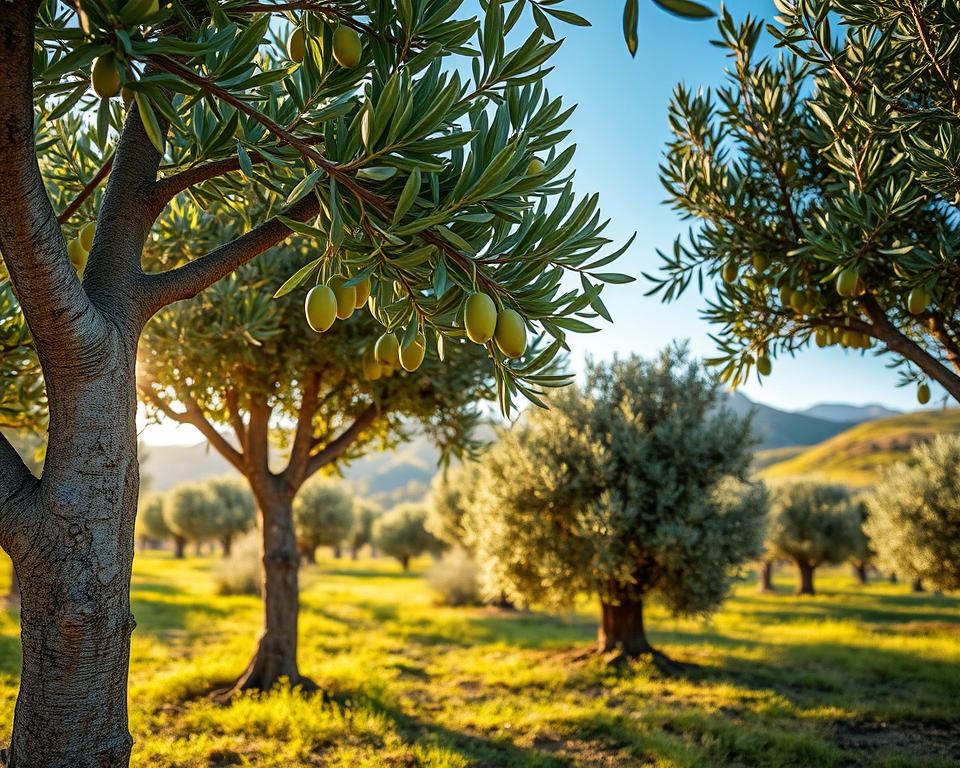
Growing olive trees can be rewarding but comes with challenges. Olive tree diseases can hurt yields. It’s key to pick the right variety.
Did you know some olives are bred for disease resistance? As an olive fan, I’m thrilled to introduce you to disease-resistant olives. I’ll also share tips on caring for them.
Choosing the right disease-resistant olive variety can lower disease risks. This way, you can enjoy a rich harvest.
Key Takeaways
- Some olive varieties are bred for their disease resistance.
- Choosing the right variety can minimize disease risks.
- Disease-resistant olives can lead to a bountiful harvest.
- Proper care is essential for disease-resistant olive trees.
- Understanding disease resistance is key to successful olive cultivation.
Introduction to Olive Varieties
Olive trees are more than just a crop; they are a key part of Mediterranean culture. For centuries, they have been a vital source of nutrition and a symbol of cultural heritage.
The Importance of Olive Cultivation
Olive cultivation is vital for the economy and environment of the Mediterranean. Disease-resistant olive varieties are key because they cut down on pesticide use. This helps the environment and improves consumer health.
The International Olive Council says olive oil production is a big deal in many countries. It supports the lives of millions. The demand for quality olive oil is growing, thanks to its health benefits.
Overview of Olive Diseases
Olive trees face many diseases, like Verticillium wilt, olive knot, and peacock spot. These can hurt yields and quality, causing big losses for farmers.
“The impact of olive diseases on yield can be devastating, making disease resistance a critical trait in olive cultivation.”
It’s important to know about these diseases to pick the right disease-resistant olive cultivars. By choosing the right varieties, farmers can lower crop losses and keep their olive groves healthy.
| Disease | Symptoms | Impact |
|---|---|---|
| Verticillium wilt | Wilting of leaves, yellowing | Significant yield loss |
| Olive knot | Tumors on branches | Reduced tree vigor |
| Peacock spot | Spots on leaves | Defoliation, reduced yield |
Types of Disease-Resistant Olive Varieties
The search for sustainable olive farming has led to many disease-resistant olive tree species. As an olive farmer, knowing about these varieties helps you make better choices for your grove.
Common Disease-Resistant Varieties
Many olive varieties have been made to fight common olive diseases. Some top ones are:
- Arbequina: It fights Spilocaea oleagina, the fungus causing olive leaf spot.
- Koroneiki: This Greek variety fights many diseases and is known for its high-quality oil.
- Frantoio: From Italy, Frantoio is known for fighting olive leaf spot and has a high yield.
These varieties not only fight diseases but also give high-quality olives for oil. A study in the Journal of Agricultural Science says using these varieties cuts down on fungicides. This makes farming more sustainable.
“The adoption of disease-resistant olive cultivars is a key step to lower the environmental impact of olive farming.” –
Characteristics of Healthy Olive Trees
Healthy olive trees show certain traits that help them fight diseases. These traits include:
| Characteristic | Description | Benefit |
|---|---|---|
| Strong Root System | A well-developed root system helps take in more nutrients. | It makes the tree stronger and more resistant to disease. |
| Leaf Health | Healthy leaves are key for photosynthesis. | It boosts the tree’s health and productivity. |
| Regular Growth | Consistent growth shows a healthy tree. | It leads to better yields and quality olives. |
By knowing these traits, farmers can better manage their groves. They can pick varieties that are more likely to do well.
In summary, disease-resistant olive varieties are key to sustainable olive farming. By picking the right variety and knowing what healthy trees look like, farmers can boost their yields and lessen their environmental impact.
Benefits of Growing Disease-Resistant Olives
Disease-resistant olives bring many advantages. They need less pesticides and grow better. This makes farming olives more effective.
Reduced Use of Pesticides
Olives that resist disease use fewer chemicals. This makes farming better for the environment. It also means the olives are cleaner to eat.
Studies show these olives can cut pesticide use by half. This is good for both the planet and our health.
Better Yields and Quality
Disease-resistant olives are also better for the planet. They grow more and taste better. This is because they stay healthy, thanks to their resistance.
| Benefits | Disease-Resistant Olives | Conventional Olives |
|---|---|---|
| Pesticide Use | Reduced by up to 50% | High reliance on chemicals |
| Yield Quality | Consistently high | Variable due to disease susceptibility |
| Environmental Impact | Lower due to less chemical use | Higher due to chemical runoff |
In summary, growing disease-resistant olives has many benefits. They use less pesticides and grow better. This is a step towards greener farming.
Best Conditions for Disease-Resistant Olives
To get the most out of disease-resistant olive trees, knowing the best growing conditions is key. These trees are made to fight off certain diseases. But, they also need the right environment to stay healthy and productive.

Ideal Climate and Soil
Disease-resistant olive trees love the Mediterranean climate. This means warm, dry summers and cool, wet winters. Experts say the best climate for growing olives has enough moisture when they’re growing and is dry when it’s time to harvest.
The soil needs to drain well and have a pH between 6.5 and 8.5. Soil health is very important. It helps the tree get the nutrients and water it needs.
Care and Maintenance Tips
Keeping disease-resistant olive trees healthy requires the right care. Regular pruning is important. It keeps the tree’s shape, helps it produce fruit, and removes any sick or damaged parts.
- Check the soil’s moisture and adjust watering as needed.
- Fertilize once a year based on what the soil test says.
- Use integrated pest management (IPM) to control pests.
By following these tips, your disease-resistant olive trees will stay healthy and give good yields. As a grower, it’s also important to keep up with the latest in olive growing. Be ready to adjust to any changes in the environment.
“Healthy olive trees are the foundation of a successful olive grove. By combining disease-resistant varieties with optimal growing conditions and proper care, growers can achieve high yields and quality olives.”
Popular Regions for Olive Cultivation in the U.S.
The U.S. olive industry is growing fast. Several regions are perfect for growing olives. The country’s varied climate and soil make it great for olive farming.
California leads in olive production. Let’s look at why and other places to watch.
California: The Olive Capital
California is a top spot for olives, making most of the U.S. olive oil. Its warm summers and cool winters are perfect for resistant olive tree species. Growers here use green farming and olive tree pest control to keep their trees healthy.
California’s success comes from its long olive farming history and focus on disease resistance in olives. It sets the standard for olive farming in the U.S.
Emerging Regions for Olive Farming
Other places like Oregon, Washington, and Texas are becoming key for olive farming. They have good weather and growing demand for local olive oil.
These new areas offer chances for growers to enter new markets. By using resistant olive tree species and good pest control, they can build thriving olive groves.
Pest and Disease Management Strategies
As an olive farmer, I’ve learned that managing pests and diseases is key for a good harvest. A detailed plan is needed to protect olive cultivars with disease resistance and keep your olive grove healthy.
Integrated Pest Management (IPM)
Integrated Pest Management (IPM) is a whole approach to manage pests and diseases. It looks at the whole ecosystem and tries to harm fewer good bugs.
- Monitoring: Regularly check your olive trees for pests or diseases.
- Cultural Controls: Change your farming ways to stop pests and diseases.
- Biological Controls: Use natural enemies to fight pests.
- Chemical Controls: Use pesticides only when needed.
IPM helps you use fewer chemicals and keeps your ecosystem balanced.
Importance of Soil Health
Soil health is key for olive tree disease prevention. Healthy soil means healthy trees, which fight off pests and diseases better.
“Soil is the foundation of a healthy olive grove. By focusing on soil health, you create a place where trees grow strong and disease is less likely.”
To better soil health, do these:
- Add organic stuff to improve soil and make it fertile.
- Use cover crops to help soil life and stop erosion.
- Don’t over-till, as it can hurt the soil.
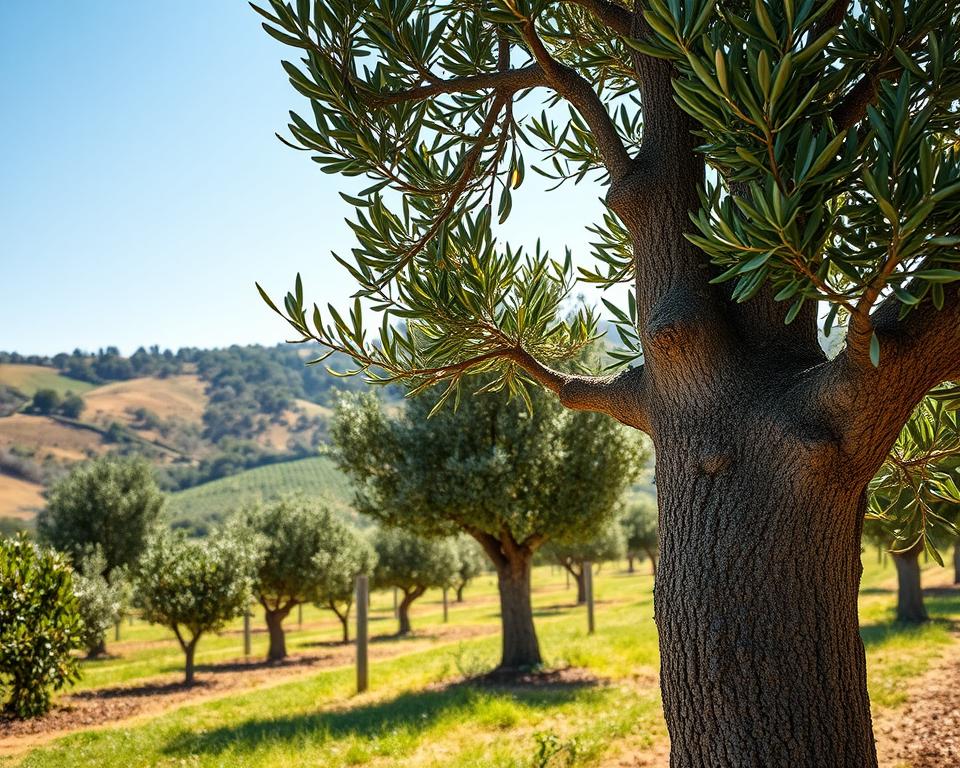
By using IPM and caring for soil, you can make a strong and lasting olive grove.
How to Select the Right Disease-Resistant Variety
For a bountiful and healthy olive harvest, picking the right disease-resistant variety is key. You need to think about several factors that affect your olive trees’ health and performance.
Factors to Consider
When picking a disease-resistant olive variety, several factors matter. Climate and soil type are important, as different varieties do better in different conditions. Some olive trees handle cold better, while others like warmer weather.
Disease pressure is also a big factor. If your area often gets certain olive diseases, choose a variety that resists those diseases. Knowing the local disease situation helps you make a better choice.
Matching Varieties with Local Conditions
To get the most out of your olive trees, match the variety to your local environment. Think about your farm or grove’s soil, moisture, and temperature changes.
- Research local disease prevalence to choose varieties with relevant resistance.
- Consider consulting with local agricultural experts or other farmers.
- Test different varieties on a small scale before making a large investment.
By carefully looking at these factors and matching the variety to your local conditions, you can boost your olive trees’ health and productivity. This careful choice leads to healthier trees, less pesticide use, and better yields.
Tips for Growing Disease-Resistant Olive Trees
Growing disease-resistant olive trees is rewarding but needs careful planning. The right strategies help trees grow healthy and produce well. For more on olive tree diseases and prevention, check our guide on olive tree disease
Pruning and Training Techniques
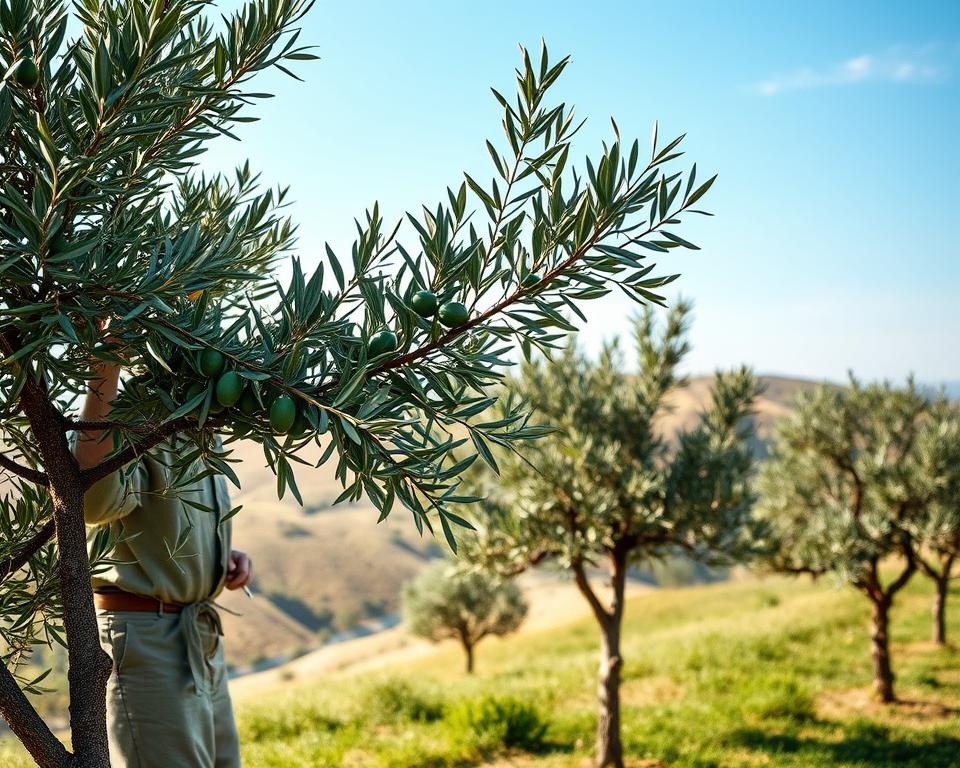
Pruning is key for olive tree care. It keeps the tree’s shape, promotes growth, and boosts fruit. Proper pruning techniques include cutting off dead or diseased branches. Also, thinning the center for sunlight and shaping the tree for growth.
- Remove dead, diseased, or damaged branches to prevent disease spread.
- Thin the center to let sunlight reach inner branches.
- Shape the tree for better air circulation and sunlight.
Training young olive trees is also vital. It shapes the tree for future growth and fruit. Techniques include:
- Picking a strong, central leader.
- Pruning lateral branches for balance.
- Removing branches that rub or grow inward.
Watering and Nutrient Management
Good watering and nutrient management are key for olive tree health. Adequate watering keeps trees moist, but avoid overwatering to prevent root rot.
Some watering tips include:
- Water deeply but less often for deep roots.
- Check soil moisture to avoid overwatering.
- Adjust watering based on weather.
Nutrient management means giving the right nutrients for growth. This includes:
- Soil tests to find nutrient needs.
- Fertilize based on tree age and soil.
- Use organic fertilizers for soil health.
By following these tips and focusing on disease resistance in olives, you can have a thriving olive grove. Regular checks and care adjustments keep your trees healthy for years.
Common Challenges in Cultivating Olives
Olive growers face many issues that can hurt their yields. It’s important to grow disease-resistant olive varieties. But, even with the best plans, problems can happen. Knowing these challenges helps growers deal with them and get a good harvest.
Recognizing Symptoms of Disease
Diseases in olive trees show up in different ways. You might see leaf discoloration, defoliation, and fruit damage. Spotting these signs early is key to managing diseases well. For example, olive leaf spot caused by Spilocaea oleagina can cause a lot of leaf loss if not treated quickly.
It’s important to keep an eye on your olive trees. Watch for wilting, yellowing leaves, or black spots on the fruit. Catching these signs early lets you take action fast. This might mean pruning or using specific treatments.
Addressing Environmental Stress
Olive trees also face environmental stress like drought, extreme temperatures, and poor soil conditions. These stresses can make trees weak and more likely to get sick. Using proper irrigation management and soil conservation techniques can help.
For instance, mulching around the base of the trees helps keep soil moist and controls its temperature. Also, picking disease-tolerant olive cultivars that fit your local climate can make your grove stronger.
By tackling these common problems, olive growers can protect their crops and boost their yields. Good disease prevention and management are key for olive cultivation’s success over time.
Success Stories of Disease-Resistant Olive Cultivation
Disease-resistant olive varieties are changing olive farming. They offer a green solution to a big problem. Farmers are now getting better yields and helping the environment.
A Closer Look at Success
Many farms across the country are seeing the benefits of disease-resistant olive trees. A California olive farm is a great example. It has greatly improved its olive tree health and production.
Case Study: A California Olive Farm
A California olive farm switched to disease-resistant varieties. The results were amazing. They saw a 30% increase in yield and used less pesticides.
| Year | Yield (tons) | Pesticide Use (liters) |
|---|---|---|
| 2018 | 100 | 500 |
| 2020 | 130 | 200 |
| 2022 | 160 | 100 |
Testimonials from Farmers
Farmers who chose disease-resistant olive varieties are happy. “The change has been huge for us,” says one farmer. “Our olive tree health has improved, and costs have gone down.”
Another farmer adds, “Thanks to disease-resistant varieties, we can grow more without worrying about diseases.”
The Future of Olive Farming
Looking ahead, research on olive varieties is key for the industry’s future. Developing disease-resistant olive cultivars is vital for sustainable farming.
Advancements in Breeding Programs
Breeding programs are working to create disease-resistant olives. They aim to cross-breed trees with natural defenses against diseases. This reduces the need for pesticides.
Sustainable Practices Take Center Stage
The olive industry is moving towards sustainability. It’s adopting integrated pest management and soil conservation. These practices help farmers protect the environment and keep olive groves healthy.